By
By 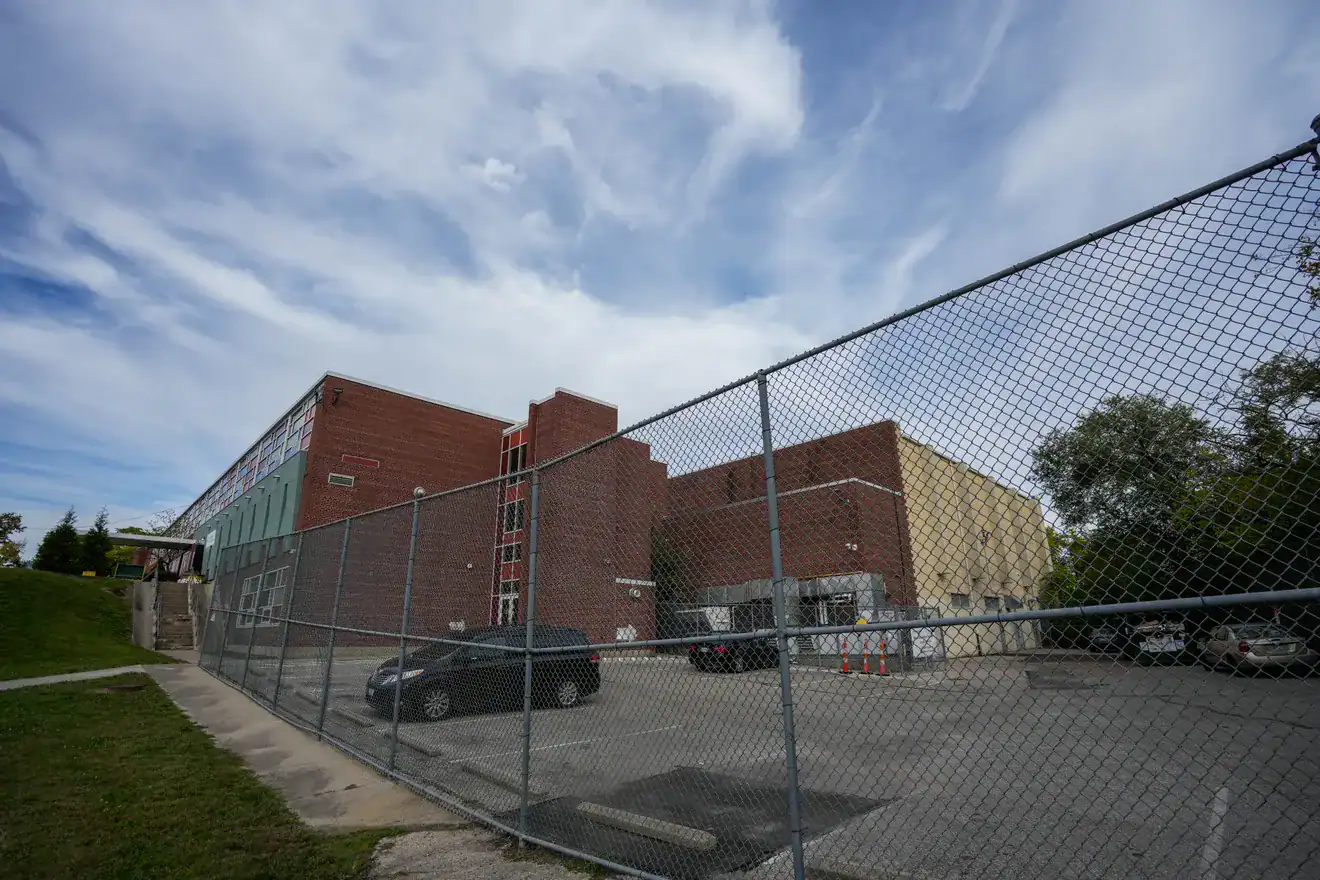
 1
1
 1
1
Over the last 2 weeks several media outlets have reported that Cincinnati Public Schools will be opening a homeless car lot for families to live in cars with children. Here’s the article reporting on this plan in WVXU and in the Cincinnati Enquirer. In response, our co-director Mary Ellen wrote an op-ed which was published in the paper edition of the Enquirer on 10/26/25.
Here is a copy of what went to print:
Children deserve to live in buildings
Cincinnati Public Schools’ opening of car lot is proof city has failed to find solutions for family homelessness
Cincinnati Public Schools is planning to set up a safe sleep lot for homeless students in the parking lot next to Taft Elementary School and the Mount Auburn Preparatory Academy in March. PHIL DIDION/THE ENQUIRER
Our local public media station, WVXU, reported on Oct. 6 that Cincinnati Public Schools will open a parking lot for school families to live in, while their primary residence is a car.
The lot will include a private bathroom and support services and will be “safe” on Taft. The decision comes after years of attempting to put families in motels, only to see them return to homelessness. The lot, which opens in March 2026, will allow 12 families at a time to be car dwellers and parents of school age children at the same time.
I was, honestly, glad to hear about this while it also made me nauseous. My gladness comes because I, at times, run the intake line for the shelter that I co-founded, Lydia’s House. Our target demographic is women with children under age 5, so I don’t think our shelter services will compete with the appealing car camping option, though many on our intake are also living in cars.
I’ve written about these cases before, including one that was particularly egregious. I’ve spoken with mothers about the intimate details of living in cars, which can include moving daily, to avoid suspicion from the library or Walmart workers that frequent these same lots.
Families struggle with bathrooms, of course, and entertainment. It’s hard to keep a three-year-old in 100 square feet of space, sleeping upright. I can’t credibly say I know how many of these women and children there are, but I’ve been haunted by every such conversation I’ve had over 11 years.
So, the fact that a select group of12 at a time won’t have to move daily and will have a bathroom made me happy. I emailed my coworker and asked her to add it to the list of options we have for families that we decline at our shelter.
The nausea of this, of course, stems from the reality that we’ve publicly accepted family homelessness in our region. It’s an honest acceptance of a longstanding phenomenon, but 12 spaces for car sleeping is the tip of an iceberg that, apparently, we’re ready to reveal.
While street homelessness has long been part of our region, and annually we face tragedies like homeless folk freezing or getting run over, the line we’ve yet to cross is public, unashamed family homelessness. We don’t have children on our streets begging – at least, not to date – but it seems we will start in March. It’s hard to imagine well-wishers not showing up at this lot with gift cards and food bags. And so it begins, slums with children, not in Mexico City or even Los Angeles, but in Cincinnati, Ohio.
This seems like an indicator of the national moment, one in which we’re also imprisoning children at the border, arresting citizens without due cause and contemplating letting undocumented people die in emergency rooms for lack of funding or rights. We’re crossing lines many of us thought we’d never see crossed in this country, and children living on the street is part of this disturbing trend.
The decision to give up on housing in favor of cars will no doubt give way to tents, as it should, because cars are expensive. And all of it will create a state of total confusion with child protective services, which shouldn’t remove children from mothers for being poor, but will remove children from foster parents if they don’t have private beds or working refrigerators.
How are these authorities to turn a blind eye to the car lot? The mental schism of all this is dizzying, and while we are stunned we are going lower and lower on a scale of human dignity, such that it will be difficult if not impossible to reverse this trend.
The solutions to family homelessness, if not more car lots, are admittedly expensive and complex. Our organization owns or manages 16 units of affordable housing that we rent on Section 8. From attempting to house people and actually housing people, I can say with confidence:
- Section 8 has been processed on a one-year lag, it’s bureaucratically dense and seems to say to landlords, “please don’t take me.” We have because we believe in the mission of housing very poor children, but I never fault a private landlord for backing out of this program.
- Building new affordable housing is expensive, faces NIMBY reactions, and often has rents that are over $1,000 for a two-bedroom apartment.
- Being doubled up is often tenuous, and zoning restrictions will make it illegal in many circumstances, so well-meaning relatives can’t take in family, even if they want to. The choice to do so limits the housing insecure person’s options when they call the homeless hotline 381-SAFE as doubled up is not considered high priority and those in that category often won’t be offered any services.
To respond to family homelessness takes an army of compassion and creativity and focus from our city – churches, private citizens, schools and government working together to put and keep people under roof.
It takes changing zoning laws, building rapidly, renovating existing stock, amending density requirements, and increasing wages and job options so rents are manageable. It takes (likely nonprofit) landlords and managers who are willing to take on the hard to house, holding them accountable as tenants while also keeping up buildings and making rents affordable.
It also requires new developers to build in affordability, either through allocated units or inclusionary zoning. It means we have to say car camping, or worse, is an unacceptable solution, and then we have to vote with our time, energy and wallets to say yes to levies, new developments in our neighborhood, small projects like churches owning four units and large projects like CDCs owning 100 units.
We have to accept the reality that we are our sister’s keeper. I’ve done this work, so I know it’s hard, but it can be done and needs to be scaled up in every neighborhood of Hamilton County.
We do not have to have family homelessness, but the solution is about more than money (though money helps). Let’s not go out to Los Angeles to learn best practices in family homelessness car lots. Let’s use that city’s proliferation of campers and tents as an example of what we don’t want to be and work like it matters to create something better. Because moms and kids deserve that, and because we want to live in a region that puts children under roof.
In the meantime, I extend my condolences and congratulations to Cincinnati Public Schools on the opening of their homeless car lot. Thanks for trying to do something. I’m sorry we collectively led you to this place.
Mary Ellen Mitchell is the co-founder and co-director of Lydia’s House.
Copyright © 2025 Cincinnati Enquirer 10/26/2025
Use of this site signifies your agreement to the Terms of Service and Privacy Policy.